
Why you should invest in thought leadership
Why did Netflix, JP Morgan, and Deloitte trust Latinometrics as a provider?

Creating content is cheaper than ever. Open any social media platform, and you don't have to scroll too far until you run into an AI-generated video of a Golden Retriever rescuing a baby from a flood or photos of the cast of Pulp Fiction opening their Christmas presents in their pajamas.
But read the comments, and you may find one of two reactions:
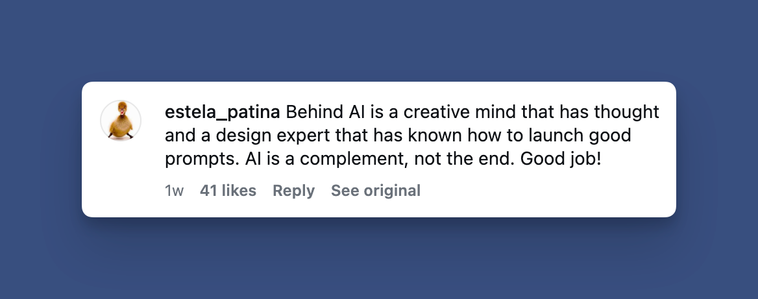
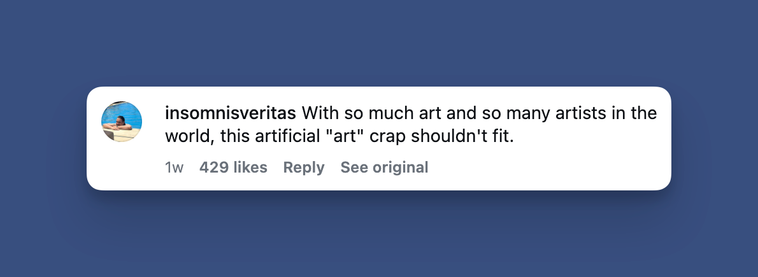
I think that Merriam-Webster absolutely nailed the word of the year for 2025: "slop."
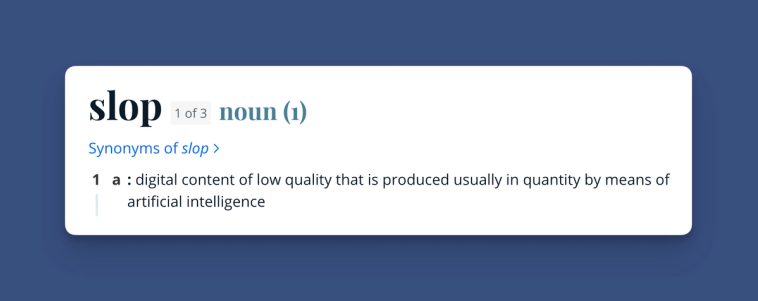
We're being inundated with a flurry of content that is increasingly hard to discern from AI-generated.
I'm not here to pick a side. I'm here to understand what this means for myself as the owner of a brand. As usual, I turn to data as my friend to understand this complex world.
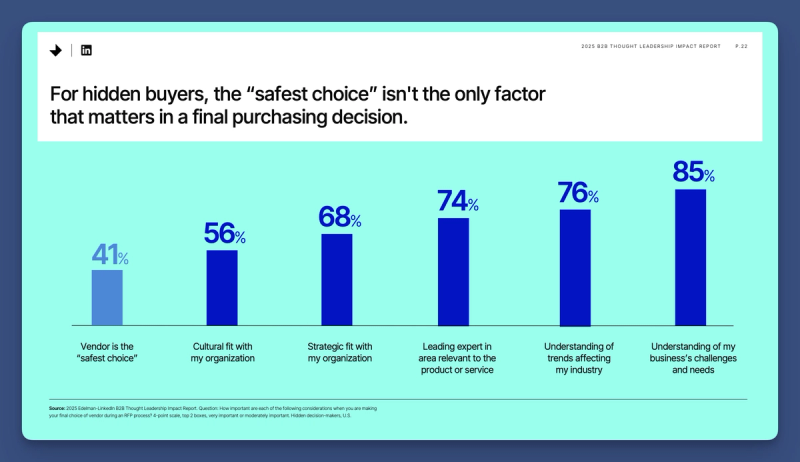
According to Edelman, 95% of decision-makers are more receptive to sales and marketing outreach from a brand with strong thought leadership.
I do know one thing: Random AI content that is clearly not written by the publisher is a quick way to lose my trust in a brand. It gives me a gut reaction of almost disgust, as if the publisher gave up on the human spirit and on themselves and turned it over to a machine that can make better decisions. What does that tell me?
- They don't truly love what they're putting out there; they don't truly believe in it.
- I'm a sucker if I consume it.
So for now, I firmly refuse to let any Latinometrics content be AI-generated. I do, however, use AI daily to enhance my operations: find analysis ideas, news articles, and reorganize a dataset. But I want to keep complete control of the finished product.
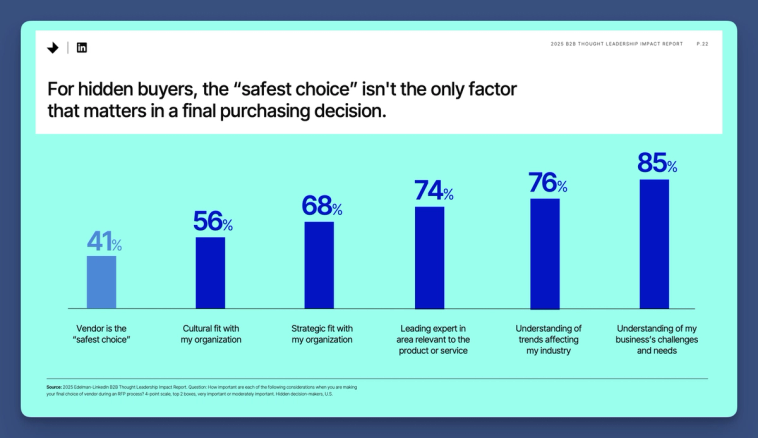
Creators often recognize something that most don't: Content is the most effective way to earn trust at scale. I've learned that it's difficult for a business to fully understand this and adopt a winning strategy based on this principle. That's understandable: they're focused on their product, which is their own organic way to earn trust and grow.
Latinometrics' first serious client ever was Netflix. That's arguably one of the strongest brands in the world.
So, what was our sales strategy? There wasn't one.
A high-up influencer at the company loved our content and reached out cold to see if we could help them amplify a report they worked on with the IDB.
Before that, we hadn't really considered the possibility of offering such a service. In other words, this Netflix executive created a product for us.
Why? He had been consuming our content for months, and he loved it. We must've impressed him and given him consistent value until he was compelled to hunt us down and make us make him a proposal.
If we look back at all the big sales we've made, most have come in from inbound. That includes JP Morgan's Private Bank, Mercado Pago, andDeloitte.
This happens to work very well for me because I am not a sales guy. I've learned how to do it, but the part I hate the most is hunting for leads. I tried it for a few months, and I was miserable.
So I've adopted a strategy I find beautiful: focus on the content, open yourself to outreach, and let leads come to you when they feel compelled to do so. That attracts higher-ticket clients and reduces friction throughout the closing process.
Want to own a narrative like this?
We help brands become the reference on their topic in Latin America.
Data Story + Distribution
One piece, guaranteed reach
A single co-branded data story reaching 100K–300K decision-makers. Starting at $4,500.
Book a strategy callThought Leadership Campaign
4–12 pieces + lead capture
Own a narrative with a sustained series. Used by J.P. Morgan, Netflix, Mercado Pago.
Explore campaignsTrusted by J.P. Morgan, Netflix, Mercado Pago, Inter&Co, and others

Co-Founder & Publisher
Ernesto is the Co-Founder, CEO and Publisher of Latinometrics. He leads the company's content strategy and data storytelling initiatives, working with brands like Netflix, JP Morgan, Mercado Pago, and Deloitte to amplify their stories through data visualization.
Learn more about Latinometrics →